
Design and Construction of the Zaza River Bridge in Cuba
Abstract:
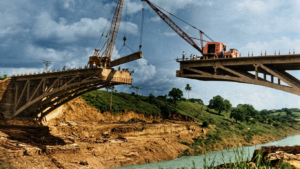
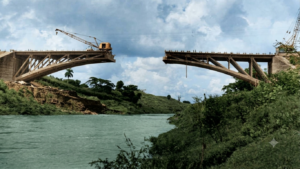
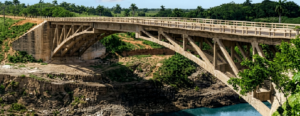
The Zaza River Bridge in Las Villa, Cuba was built in 1959. This purpose of this project was to replace the existing steel truss bridge which was demolished by explosives by the revolutionary army lead by Fidel Castro to cut off a major supplies route to the Capital city of Havana. After coming into power, Castro needed the bridge to be replaced and proposed an international design-build competition for a replacement bridge. The winning proposal (designed by a 33-year-old engineer) would become the world’s first precast, prestressed (post-tensioned) concrete highway bridge erected without falsework by the progressive cantilever method. The main span was 300 feet.
This paper will present the bridge history and details, unique substructure and superstructure elements using post-tensioning bars. There was also a limitation on bridge element weight due to availability of crawler cranes to a maximum of 19 tons. AASHTO H20-16 loading was design criteria. Speed of construction was one of the most important factors in the bridge selection process.
The project only took 6 months to complete from date of award with unskilled labor, a 12-day worker’s strike and 20 days of inclement weather.
This presentation was originally given at the American Concrete Institute’s (ACI) centennial celebration conference in March 2004 by Mario G. Suarez, P.E., the original bridge design engineer.
Presenter:
Jorge M. Suarez, P.E., F.ASCE
Jorge M. Suarez, P.E., F.ASCE is a structural engineer with WSP USA. Mr. Suarez graduated from Manhattan College in New York with a Bachelor of Engineering in Civil Engineering. He has over 45 years of experience in the design and construction of numerous steel and specialized prestressed/post-tensioned concrete structures. Types of structures include concrete segmental bridges, cable stayed bridges, arch bridges, steel girder bridges, accelerated bridge construction, and bridge rehabilitations. Jorge is presently a Senior Vice President / National Complex Bridge Practice and has been involved in various complex projects throughout the United States. He is a registered Professional Engineer in seventeen states.